Local Leaders Look at Nashville's Well-Being
Local Leaders Look at Nashville's Well-Being | Health and Well-Being, Nashville Health Care Council, Nashville Area Chamber of Commerce, Center for Health Transformation, The Blue Zones, Newt Gingrich, Phil Bredesen

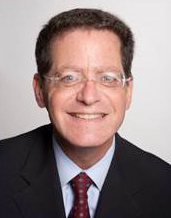
Former Speaker of the House of Representatives Newt Gingrich, founder of Center for Health Transformation

Making Nashville a Healthier, Happier City

 An ounce of prevention is worth a pound of cure …
 
This old adage could be the cornerstone of a community-wide effort to improve the health and well-being of the citizens of Nashville by focusing on steps to encourage proactive, healthy lifestyles.
 
Business and community leaders gathered Nov. 2 at the Hutton Hotel for a forum called Health and Well-Being: Keys to Transformation, to hear about the proposed citywide initiative.
 
The Nashville Health Care Council (NHCC), Nashville Area Chamber of Commerce and the Center for Health Transformation sponsored the meeting, which attracted a capacity crowd of 350. The forum brought national experts together with local public, private and non-profit stakeholders to address the city's state of well-being with a goal of creating a healthier Nashville.
 
"For Tennessee, the challenges are broad and the "Keys to Transformation" program is an important demonstration of Nashville's commitment to its people," said Ben Leedle, Healthways CEO and vice-chair of the NHCC board of directors. "Real change in Nashville is possible when the community has the resolve to learn the best practices for transforming the health and well-being of all Nashville residents," he told the crowd. "Nashville has the leadership, resources and purpose to pursue the goals we set," he added.
 
Mayor Karl Dean told the crowd, "The inclusion of a diverse group of community and business leaders here today shows a broad-based commitment to improving the health and wellness of Nashvillians and determining our next steps together. This effort, along with our Livability Project and the Healthy Nashville Leadership Council, can capitalize on the momentum of the day and make significant strides in working to address well-being in the city."
 
Nationally known speakers at the forum included Roy Spence, author of Why Every Extraordinary Business Change is Driven by Purpose, who defined "purpose" as the intersection of the needs of the world and your talent. Spence, who coined the phrase "Don't Mess with Texas" for a statewide anti-littering campaign, told the crowd that the success of a public initiative requires the same commitment of its supporters as a successful rock band does of its members — "How it works is — you have to know the words, listen, step up, and sing together."
 
Dan Buettner, author of The Blue Zones: Lessons for Living Longer From the People Who've Lived the Longest, spoke about longevity, which is "only 20 percent determined by genes … the rest is dictated by us." Buettner has studied communities around the world with exceptionally high rates of life expectancy, including Sardinia, Okinawa, Costa Rica, and Loma Linda, Calif. and found that these "Blue Zones" have several factors in common … particularly lives lived at deliberate speed.
 
He said, "Apart from health benefits, slowing down ties together so many lessons — eating right, appreciating friends, finding time for spirituality, making family a priority, creating things that bring purpose."
 
Buettner continued, "A community can permanently change the environment by small steps … adding things that boost physical activity (one community connected its existing sidewalks boosting physical activity by citizens by as much as 40 percent); or labeling things that are healthy choices in school cafeterias." He added, "Longevity is a choice."
 
Jake Glover, director of Health and Wellness Incentives for America's Health Insurance Plans, said, "the secret is not in diet and exercise — the secret is in having a purpose."
 
Since retiring from Congress, former Speaker of the House of Representatives Newt Gingrich, founder of the Center for Health Transformation, has worked extensively on the issues of health and healthcare, devoting the majority of his time to advocating a transformation of the entire system by making simple but profound challenges. Noting Nashville's strong business position in the healthcare industry, he said, "Nashville can be to health innovation what Silicon Valley was to computing."
 
He added, "It is crucial to unite stakeholders across the spectrum — from businesses to non-profit organizations to government agencies — with a shared vision in order to transform the Nashville community." Gingrich continued, "Reactionary fixes will not work. We need a system-wide transformation that is individual-centered, that focuses on health … not just healthcare … and fosters higher quality, greater transparency and more innovation."
 
The Center for Health Transformation (CHT) is a collaboration of public and private sector leaders dedicated to creation of a 21st century intelligent health system that saves lives and money.
 
When asked to comment about the progress of healthcare legislation, Gingrich replied, "What is happening in Washington now has nothing to do with healthcare, and everything to do with bureaucracy."
 
Tennessee Governor Phil Breseden, just back from a two-week trip to Japan and China, provided concluding comments. "I'm pleased to see the heightened level of focus this event brings to improving the well-being of our citizens," he said. "At the state level, it's encouraging to see activities like this that set the bar for meaningful initiatives that can be adopted by communities all across Tennessee." Tennessee ranks 42nd out of the 50 states on the Gallup-Healthways Well-Being Index.
 
Bredesen said, "There is a problem with health reform in regard to the state's financial situation — there will be an enormous hole in revenue by 2014 that presents real, substantive challenges to the financial liability of our state." The governor added, "We need to create communities that combine what we know about health with personal responsibility, and need to think carefully about the domains in which we are trying to do this, and determine what the responsibilities of government are."
 
He concluded, "The health reform we're talking about is almost entirely an extension of insurance, which cannot solve all our problems. As we think through lifestyle issues, we have to be careful about the 'edges of responsibility.' We need to dramatically decrease Medicaid and dramatically increase wellness reform."